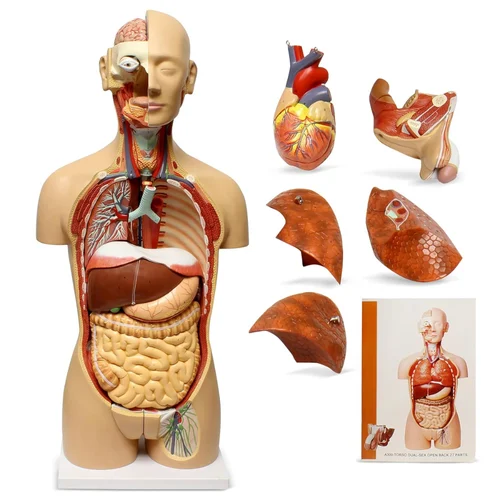
The Life Size Human Body Parts Model Anatomy Doll with Removable magnetic Organs is an exceptional educational tool designed to provide a clear and interactive understanding of the human body and its internal systems. This 3D human organ model is crafted with precision to depict the major human body organs and their correct anatomical positions, making it ideal for medical students, nursing students, physiology students, and even children exploring STEM subjects. Its life-size proportions allow learners to observe relative positioning and accurate scaling, providing a true-to-life perspective of how the body’s internal systems are structured and interconnected. The model includes a comprehensive set of 27 removable organs and over 200 numbered areas for detailed study, enabling both students and educators to identify, examine, and understand complex bodily functions with clarity and ease.
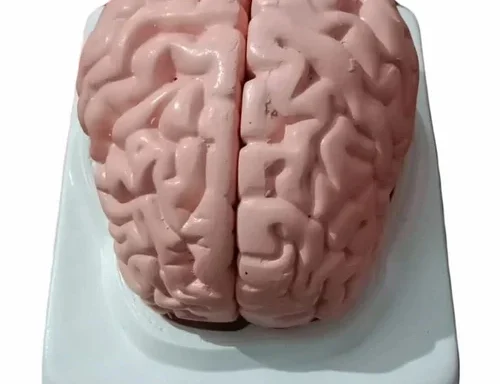
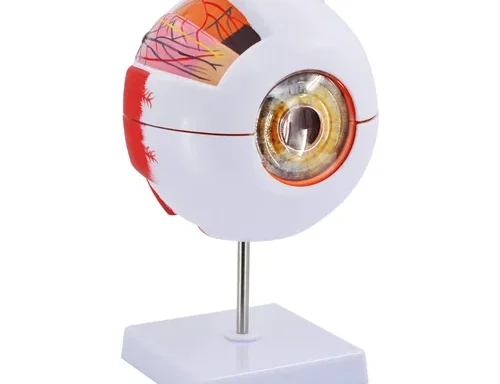
This anatomy model features a highly detailed torso that includes essential components such as the brain portion, left eye, sections of the right and left lungs, thoracic aorta, esophagus, heart (two parts), liver, stomach (two parts), intestinal tracts, caecum, pancreas, spleen, kidneys, vertebrae, and reproductive systems for both male and female anatomy in multiple parts. The removable organs are designed to allow close examination, offering a hands-on approach to learning that strengthens comprehension of organ placement, structure, and role in bodily processes. With its open-back design, users can also explore the vertebral column, spinal cord, and nerve endings, making this model a complete representation of the human anatomy for both classroom and professional training environments.
Description
Human Body Part Models are interactive anatomical teaching tools designed to help learners understand human anatomy through hands-on exploration. These life-size models feature removable organs and realistic body structures, which allow students to visualize how different systems work together. As a result, learners move beyond flat diagrams and gain a clearer, three-dimensional understanding of the human body.
Schools, colleges, medical institutes, and training centers across India widely use human body part models for anatomy education. In addition, educational institutions in countries such as the United Kingdom, South Africa, and Kenya rely on these models to support practical learning in biology, medical science, and STEM education.
Human Body Part Models for Interactive Anatomy Study
Human Body Part Models are constructed from high-quality PVC plastic, which ensures durability and long-term use in classrooms and laboratories. Some components use flexible PVC to provide a more realistic tactile experience. Therefore, students can handle and examine organs comfortably during study sessions.
A secure system of hooks and hidden magnets allows organs to fit precisely into place. This design makes assembly and disassembly easy, which supports repeated practice and group demonstrations. Moreover, the sturdy 9 × 13-inch base provides excellent stability, while the full height of approximately 34 inches delivers a lifelike display that enhances visibility during lessons.
Human Body Part Models for Multi-Level Learning and Practical Use
Human Body Part Models support a wide range of learning needs. Medical and biology students use them to prepare for examinations by identifying organs and understanding their spatial relationships. Consequently, learners improve retention and confidence during practical assessments.
The interactive, puzzle-like structure also makes these models suitable for younger learners and STEM activities at home. By assembling organs and exploring body systems, students develop curiosity and active engagement. Additionally, artists and science enthusiasts use these models as accurate anatomical references for figure drawing, demonstrations, and creative displays.
Durable Design with Educational Accessories
The robust PVC construction resists wear, moisture, and frequent handling. Furthermore, the model includes a study guide that provides additional explanations and learning support. This combination ensures that both students and instructors have a complete and reliable educational resource.
Suitable for Education and Demonstration Use
These human body part models are suitable for school biology classes, medical and nursing colleges, paramedical institutes, STEM learning programs, anatomy laboratories, and home education. They align well with curricula focused on human anatomy and physiology.
Applications
- Teaching human anatomy and organ systems
- Medical and biology exam preparation
- STEM learning and interactive education
- Anatomy reference for artists and educators
- Classroom and laboratory demonstrations
other educational working models and laboratory kits to enhance hands-on learning in engineering and technical laboratories. In addition, institutions may also explore complementary learning solutions such as Jaadui Pitara educational learning kits to support interactive and concept-based education.