

Medical pathological microscopes are crucial for examining bodily fluids, tissues, and microorganisms to diagnose diseases like cancer, infections, and inflammatory conditions, helping pathologists see cellular changes, identify pathogens, and understand disease progression through high magnification of samples like biopsies and blood smears. They enable precise analysis of cell structures and subtle abnormalities not visible to the naked eye, forming the basis for accurate treatment decisions in histology, cytology, and microbiology.
Description
Medical Pathological Microscopes for Clinical and Laboratory Diagnosis
Medical Pathological Microscopes are essential instruments used in medical laboratories to examine biological samples at high magnification. These microscopes allow pathologists and laboratory technicians to analyze tissues, blood samples, microorganisms, and cellular structures in great detail. Therefore, they play a critical role in identifying diseases, studying pathological changes, and supporting accurate clinical diagnosis in hospitals, diagnostic laboratories, and research institutions.
Role of Medical Pathological Microscopes in Disease Diagnosis
Medical Pathological Microscopes are primarily used for diagnosing various diseases by examining microscopic samples such as biopsies, blood smears, and bodily fluids. Through magnification and illumination, these microscopes reveal cellular structures and abnormalities that cannot be observed with the naked eye.
For example, pathologists use them to detect cancerous cells in tissue biopsies. Similarly, they help identify bacterial or fungal infections by allowing specialists to observe microorganisms in stained laboratory samples. Consequently, the detailed observations obtained from these microscopes guide doctors in selecting appropriate treatments and medical interventions.
Applications in Histology and Cytology
Medical Pathological Microscopes are widely used in histology laboratories to study tissue sections. Histological analysis involves examining thin slices of tissue that are stained and mounted on microscope slides. These slides reveal structural details of organs and tissues, which helps pathologists detect abnormalities such as tumors, inflammation, or tissue damage.
In cytology, these microscopes allow specialists to analyze individual cells collected from body fluids or tissues. Pap smear examinations, for instance, rely on microscopic analysis to detect early signs of cervical cancer. As a result, cytological studies provide valuable insights into cellular health and disease progression.
Importance in Microbiology and Infection Detection
Medical Pathological Microscopes are also essential tools in microbiology laboratories. Scientists and technicians use them to identify microorganisms such as bacteria, parasites, and fungi present in patient samples. By examining microbial shape, structure, and staining patterns, specialists can determine the type of infection affecting a patient.
Furthermore, these microscopes help monitor the effectiveness of treatments by allowing repeated examination of samples during the course of therapy. This capability ensures accurate diagnosis and proper medical care.
Advanced Features for Accurate Observation
Modern Medical Pathological Microscopes are designed with advanced optical systems that provide clear, high-resolution images. These microscopes often include multiple objective lenses that allow different magnification levels, enabling detailed observation of microscopic structures.
Additionally, improved illumination systems and mechanical stages allow precise positioning of slides and better visibility of sample details. Many models also support digital imaging systems, which allow laboratory professionals to capture and analyze images for documentation and research purposes.
Educational and Research Applications
In addition to clinical use, Medical Pathological Microscopes are widely used in medical schools and research laboratories. Students studying pathology, microbiology, and histology rely on these microscopes to learn how diseases affect cells and tissues.
Through hands-on observation of prepared slides, students gain practical knowledge of disease mechanisms and laboratory diagnostic techniques. Therefore, these microscopes play an important role in training future medical professionals.
Importance in Modern Healthcare
The Medical Pathological Microscopes remain fundamental tools in modern healthcare. By enabling detailed examination of biological samples, they help medical experts detect diseases early and monitor disease progression accurately. This capability supports timely treatment decisions and improves patient outcomes.
Because of their precision, reliability, and diagnostic importance, these microscopes continue to be indispensable equipment in medical laboratories worldwide.
For related laboratory and educational equipment, you may explore:
https://www.aseducationalkits.com/products-category/physics-lab-equipment/
For a broader range of laboratory and analytical solutions, professionals can also refer to:
https://interlabs.in/products-catalogue/
See also different:

Brookfield Digital Viscometer for Precise Viscosity Measurement
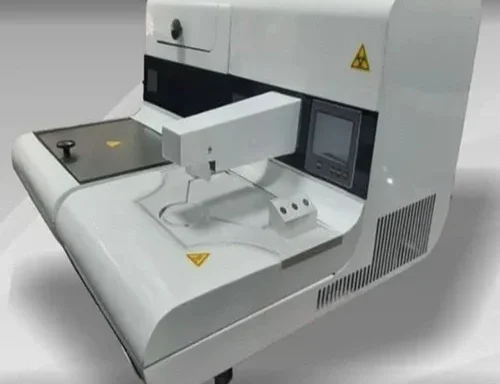
Tissue Embedding Station for Histopathology Sample Preparation

Digital Thermo Hygrometer for Temperature and Humidity Measurement
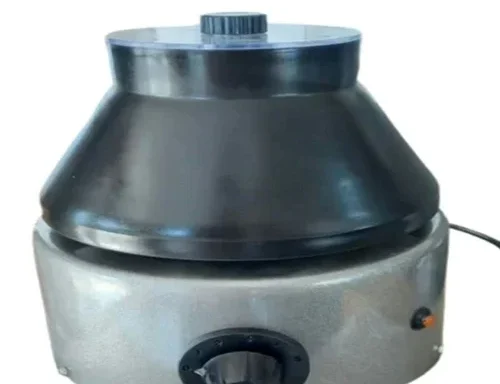
Laboratory Centrifuge Machine for Sample Separation and Analysis