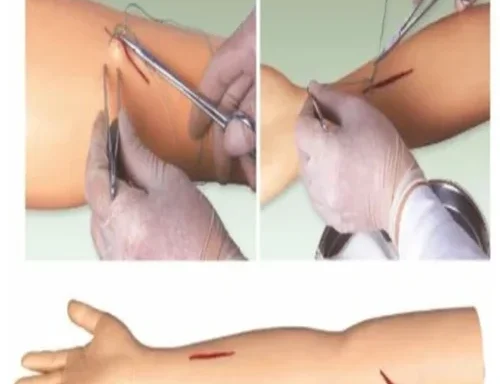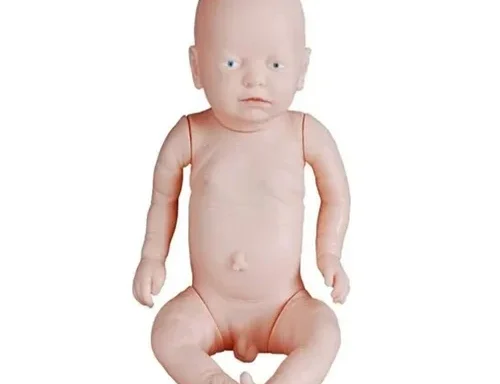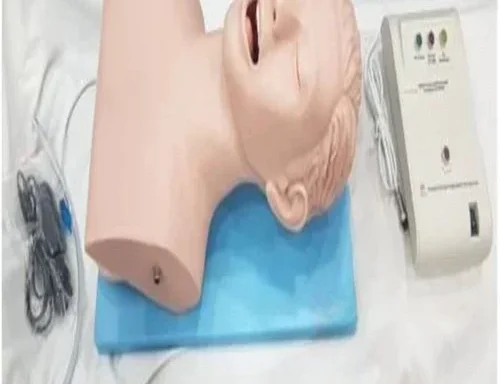
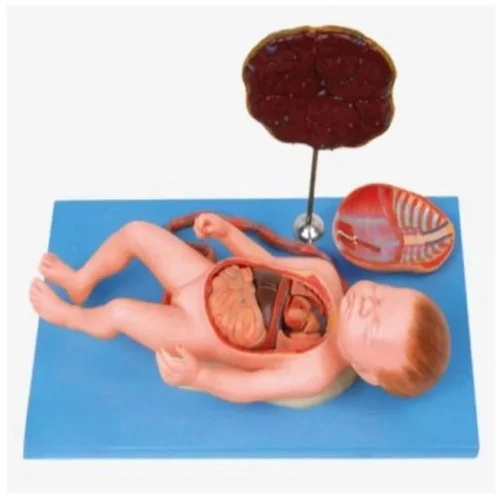
Human anatomical models are used for education (teaching students body structures), training (practicing medical procedures like CPR), pre-operative planning (surgeons practicing complex surgeries), patient communication (explaining conditions/treatments), and research, offering visual, hands-on ways to understand the complex human body for students, professionals, and patients alike.
Description
Human anatomical models are educational tools designed to visually represent the structure and organization of the human body. They provide a clear and interactive way for students and healthcare professionals to study organs, systems, and anatomical relationships. Because the human body is complex, these models simplify learning by offering three-dimensional visualization that textbooks alone cannot provide. Moreover, hands-on interaction improves comprehension and retention of anatomical concepts.
Human Anatomical Models for Education and Medical Training
Educational institutions widely use human anatomical models to teach body structures and physiological systems. Students can observe organs, bones, muscles, and internal systems in accurate detail. Therefore, these models support better understanding of anatomy in medical, nursing, and biology programs. In addition, they assist in training procedures such as CPR and basic clinical assessments, which helps learners develop practical healthcare skills.
Human Anatomical Models for Clinical Demonstration and Planning
Healthcare professionals use human anatomical models to explain medical conditions and treatment procedures to patients. These models provide visual clarity during consultations and improve communication between doctors and patients. Surgeons may also use anatomical models for pre-operative planning of complex procedures. As a result, medical teams can better understand spatial relationships between organs before performing surgery.
Use in Research, Teaching, and Healthcare Communication
Human anatomical models serve multiple purposes in laboratories, hospitals, and training centers. They support scientific research, classroom teaching, and clinical demonstrations. Because these models allow hands-on observation and explanation, they remain valuable for learners, professionals, and patients alike. For related laboratory and educational equipment, you may explore:
https://www.aseducationalkits.com/products-category/physics-lab-equipment/
For a wider range of laboratory and educational solutions, professionals can also refer to:
https://interlabs.in/products-catalogue/
Applications
Teaching human anatomy and physiology
Medical and nursing education programs
Training for CPR and clinical procedures
Patient communication and medical explanation
Research and academic demonstrations