
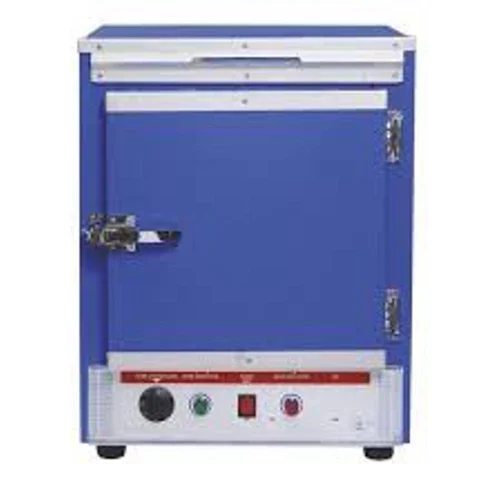
A hot air oven purifies primarily through dry heat sterilization, using circulated hot air (160-250°C) to kill microorganisms via oxidation and protein denaturation, making it ideal for heat-resistant items like glassware, metal tools, oils, and powders, by removing moisture and destroying cell components without steam. It also serves for drying and solvent evaporation, purifying substances by controlled heating and moisture removal, crucial for labs, hospitals, and pharma.
Description
Dry Heat Sterilization for Laboratory and Medical Use
A hot air oven is a laboratory sterilization device that uses dry heat to eliminate microorganisms from heat-resistant materials. It operates by circulating hot air at temperatures typically ranging from 160°C to 250°C, making it ideal for sterilizing items that cannot tolerate moisture or steam.
How Dry Heat Sterilization Works
Unlike steam-based systems, a hot air oven sterilizes through oxidation and protein denaturation. The continuous flow of heated air removes moisture and destroys microbial cell components. As a result, bacteria, spores, and fungi lose viability without the use of pressure or humidity.
Suitable Materials for Sterilization
Hot air ovens are especially effective for:
- Glassware such as flasks, pipettes, and Petri dishes
- Metal instruments and surgical tools
- Heat-stable powders and chemicals
- Oils, petroleum jelly, and paraffin-based substances
Therefore, they are widely preferred where moisture-free sterilization is essential.
Additional Laboratory Applications
In addition to sterilization, the hot air oven supports drying and solvent evaporation. Laboratories use it for removing residual moisture from samples, drying glassware after washing, and performing controlled heating during material preparation. Consequently, it plays a dual role in both sterilization and sample processing.
Temperature Control and Uniform Heating
Modern hot air ovens feature precise thermostatic control and uniform air circulation. This ensures consistent temperature distribution across the chamber. As a result, all items inside receive equal exposure to heat, improving reliability and repeatability.
Common Areas of Use
Hot air ovens are widely used in:
- Chemical and biological laboratories
- Hospitals and diagnostic centers
- Pharmaceutical manufacturing units
- Research institutions and quality control labs
Their simple operation and robust performance make them a standard choice in controlled environments.
Key Benefits
- Moisture-free sterilization method
- Suitable for heat-resistant materials
- Simple operation and low maintenance
- Reliable and repeatable results
- Supports both sterilization and drying processes
other educational working models and laboratory kits to enhance hands-on learning in engineering and technical laboratories. In addition, institutions may also explore complementary learning solutions such as Jaadui Pitara educational learning kits to support interactive and concept-based education.
See also different:
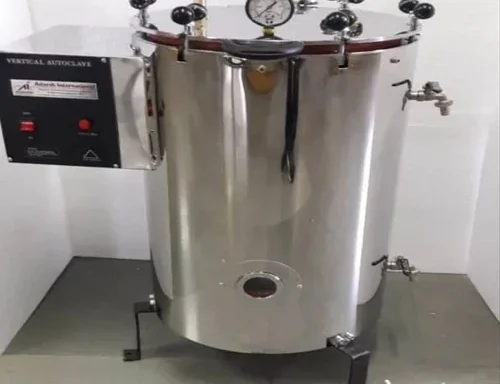
Double Walled Vertical Autoclave

Portable Autoclave Single Drum

Tissue Cooling Plate

Laminar Inoculation Chamber