
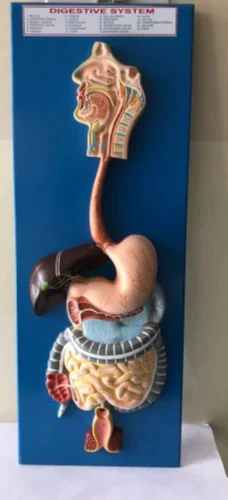
Digestive system models are used to visually teach how food breaks down and nutrients are absorbed, serving as interactive tools for students, science fairs, and medical education to understand the sequence (mouth, esophagus, stomach, intestines) and function of organs like the liver and pancreas, often made from recycled materials for creative learning. They help demonstrate peristalsis, nutrient absorption, and waste formation, making complex biology concrete and engaging for all learners, including those who are visually impaired.
Description
Digestive system models are used to visually teach how food breaks down and nutrients are absorbed, serving as interactive tools for students, science fairs, and medical education to understand the sequence (mouth, esophagus, stomach, intestines) and function of organs like the liver and pancreas, often made from recycled materials for creative learning. They help demonstrate peristalsis, nutrient absorption, and waste formation, making complex biology concrete and engaging for all learners, including those who are visually impaired.
See also different:
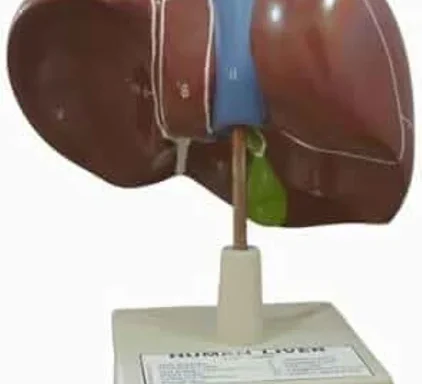
Human Liver Model
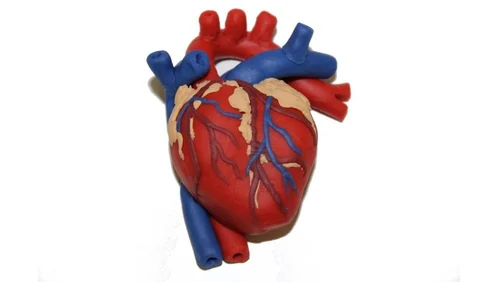
Human Heart Model
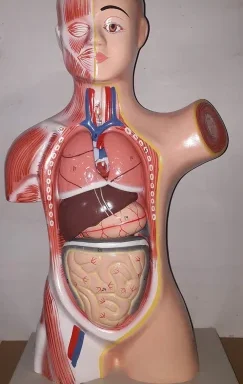
Human Torso Model

Liver Pancreas And Duodenum Model