Diesel Engine – Engineering Lab Training System (Catalogue No.: AS-INT-TVET-DVET-045)
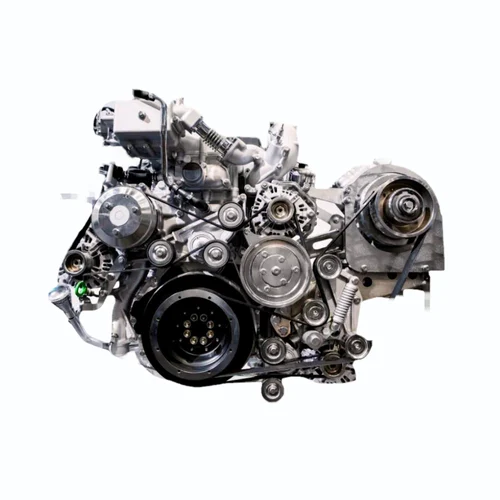
The Diesel Engine training system is a detailed functional model designed for diesel engine operation and maintenance training, used widely in TVET and DVET institutions in African cities such as Addis Ababa Ethiopia, Nairobi Kenya, Lagos Nigeria, Accra Ghana, Cairo Egypt, Dakar Senegal, Lusaka Zambia, Johannesburg South Africa, Kampala Uganda, and Maputo Mozambique.
Description
Product Overview
The Diesel Engine Model is an educational training system designed to support mechanical and automotive learning in vocational institutes across South Africa, Nigeria, Kenya, Egypt, Ethiopia, Ghana, and Zambia. It allows students to study diesel engine construction and operation through direct observation. Therefore, learners can clearly connect theoretical concepts with real engine mechanisms.
Engine Components and Structural Design
This model features key diesel engine components such as the fuel injection system, governor mechanism, and combustion system. All components are mounted on a sturdy base suitable for classroom and laboratory environments. As a result, students can observe part interaction clearly while maintaining safe and stable operation during demonstrations.
Fuel Injection and Combustion Demonstration
The diesel engine model demonstrates how fuel injection and combustion occur inside an engine cylinder. Students can study injection timing, fuel delivery, and combustion sequence in detail. Consequently, learners gain a practical understanding of diesel engine efficiency and power generation used widely in transport and industrial sectors.
Practical Learning and Skill Development
This training model supports hands-on learning and structured practical sessions. Students analyze engine operation and identify components during guided exercises. Therefore, they develop essential troubleshooting and servicing skills required for diesel engines used in transport fleets and industrial facilities across Africa.
Educational Benefits and Vocational Value
The model enhances knowledge of diesel engine operation, maintenance, and servicing. As a result, it supports mechanical and automotive vocational programs effectively. Moreover, the training aligns with industrial skill requirements in energy, transport, and logistics sectors across multiple African countries.
Curriculum Alignment and Training Use
Vocational institutes integrate this diesel engine model into automotive engineering and mechanical training programs in TVET and DVET centers throughout Africa. Because the model reflects real-world engine layouts, instructors can teach industry-relevant concepts consistently. Thus, students receive job-ready technical training.
Tender Compliance and Documentation
The diesel engine model is manufactured according to African donor-funded project standards for vocational training equipment. In addition, it is supplied with detailed manuals tailored to teaching and practical instruction. As a result, educators can deliver structured, safe, and effective training sessions.
Applications in Technical and Vocational Education
This diesel engine model supports skill development programs in automotive workshops, mechanical training institutes, and vocational colleges across Africa. Moreover, it contributes to workforce development initiatives aimed at strengthening technical education in developing economies.
Conclusion
Overall, the Diesel Engine Model offers a reliable and effective platform for diesel engine education. Because it combines clear component visibility, practical learning capability, and durable construction, it remains an essential teaching aid for vocational and technical training programs across Africa.
This educational working model can be effectively integrated with other educational working models and laboratory kits to enhance hands-on learning in engineering and technical laboratories. In addition, institutions may also explore complementary learning solutions such as Jaadui Pitara educational learning kits to support interactive and concept-based education.