
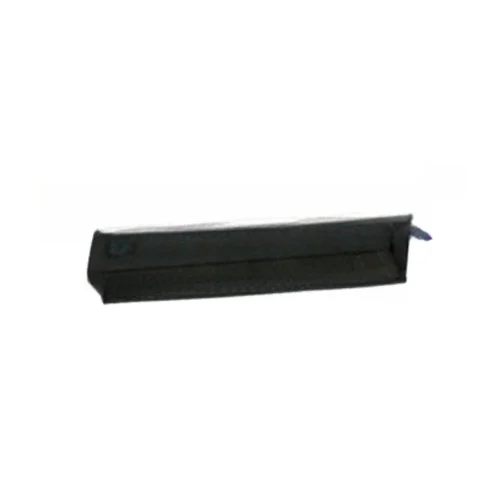
Ceramic bar magnets (ferrite) are economical, strong, and corrosion-resistant, widely used in education (physics demos), consumer goods (toys, crafts, latches, magnetic closures for tablets/keyboards), industrial equipment (motors, sensors, magnetic separators for iron removal), and tool organization (holding metal tools on walls/benches). They’re perfect for simple holding tasks and demonstrating magnetism principles, offering good holding power without the high cost of rare-earth magnets.
Description
Material Properties and Performance : Bar Magnet Ceramic
Bar Magnet Ceramic, also known as ferrite magnets, offer a cost-effective and reliable solution for demonstrating magnetism. These magnets provide stable magnetic strength and strong resistance to corrosion, which makes them suitable for long-term use in classroom and laboratory environments. Because they maintain consistent performance without special handling, they work well for repeated educational demonstrations.
Educational and Demonstration Use : Bar Magnet Ceramic
In physics education, ceramic bar magnets play a key role in explaining basic magnetism principles. Teachers use them to demonstrate magnetic poles, attraction, repulsion, and magnetic field lines with iron filings. As a result, students can clearly observe how magnetic forces behave and interact. Their moderate holding power makes experiments safe and easy to control during practical sessions.
Practical and General Applications
Beyond education, ceramic bar magnets support simple holding and organization tasks. Their strength suits applications such as toy mechanisms, craft projects, latches, and magnetic closures used in everyday items. In addition, users often apply them for basic tool organization, such as holding metal tools on walls or workbenches.
Durability and Cost Efficiency
Ceramic bar magnets offer good holding power without the higher cost of rare-earth magnets. They resist rust and environmental damage, which extends their usable life. Because of this balance between strength, durability, and affordability, they remain a practical choice for educational institutions and general-purpose use.
This educational working model can be effectively integrated with other educational working models and laboratory kits to enhance hands-on learning in engineering and technical laboratories. In addition, institutions may also explore complementary learning solutions such as Jaadui Pitara educational learning kits to support interactive and concept-based education.
See also different:
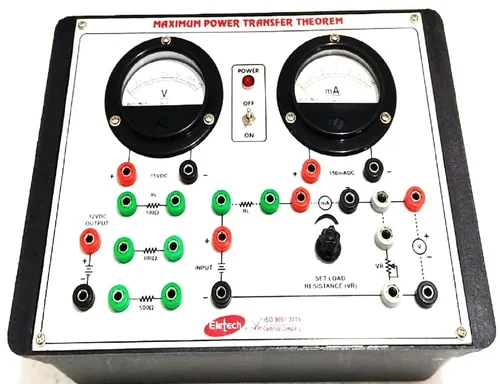
Maximum Power Transfer Theorem

Auxiliary Items Sand clock
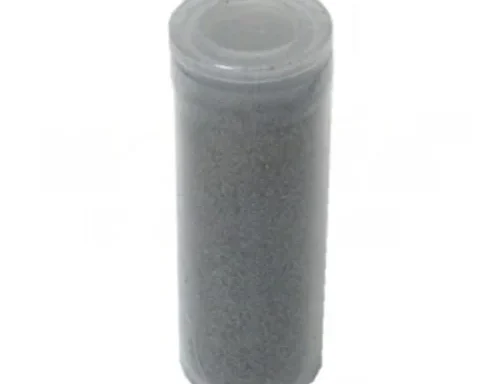
Iron Filings Powder for Magnetic Field Demonstration

Electric Bike Motor Kit for Educational Demonstrations