
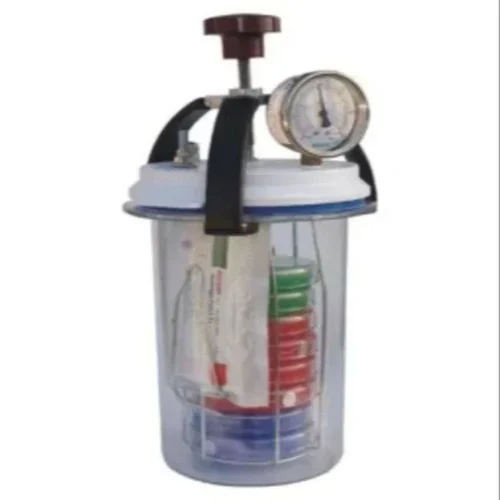
Anaerobic jars create oxygen-free environments in labs to culture microorganisms that can’t survive in air, vital for clinical diagnosis (identifying pathogens like Clostridium causing infections), food safety (studying spoilage), pharmaceutical R&D, and environmental studies (soil/water microbes). They use gas packs (producing H₂ & CO₂) and catalysts to remove residual oxygen, confirmed by color indicators (like methylene blue turning from blue to colorless/pink) to ensure proper conditions for growth.
Description
An anaerobic culture jar is a specialized laboratory container used to create oxygen-free environments for culturing microorganisms that cannot survive in the presence of air. It plays a critical role in microbiology by enabling controlled growth conditions for obligate anaerobes. Because oxygen inhibits or kills these organisms, the jar ensures reliable cultivation for accurate observation and analysis. Moreover, it supports safe and repeatable experimentation in clinical, research, and teaching laboratories.
Anaerobic Culture Jar for Clinical and Diagnostic Microbiology
In clinical laboratories, an anaerobic culture jar is essential for identifying pathogenic microorganisms such as Clostridium species that cause serious infections. The jar allows healthcare professionals to culture samples under strictly anaerobic conditions, which improves diagnostic accuracy. Therefore, clinicians can make informed treatment decisions based on reliable microbial growth and identification. In addition, controlled anaerobic culture supports routine diagnostic workflows in medical microbiology labs.
Gas Pack System and Oxygen Removal Mechanism
The anaerobic culture jar operates using gas packs that generate hydrogen and carbon dioxide. In the presence of a catalyst, hydrogen reacts with residual oxygen to form water, effectively removing oxygen from the sealed chamber. A color indicator, such as methylene blue, confirms anaerobic conditions by changing color once oxygen is eliminated. Because visual confirmation is immediate, users can trust that proper growth conditions are achieved before incubation.
Applications in Food, Pharmaceutical, and Environmental Studies
Beyond clinical use, an anaerobic culture jar supports food safety testing by studying spoilage organisms and contamination. Pharmaceutical research laboratories use it to evaluate anaerobic microbial behavior during drug development. Environmental studies also rely on it to culture soil and water microorganisms under oxygen-free conditions. As a result, the jar serves as a versatile tool across multiple scientific disciplines. For related laboratory and educational equipment, you may explore:
https://www.aseducationalkits.com/products-category/physics-lab-equipment/
For a broader range of laboratory and microbiology solutions, professionals can also refer to:
https://interlabs.in/products-catalogue/
Applications
Culturing obligate anaerobic microorganisms
Clinical diagnosis of anaerobic infections
Food safety and spoilage studies
Pharmaceutical microbiology research
Environmental soil and water analysis
See also different:
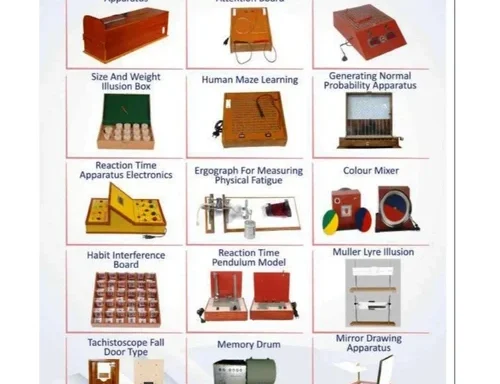
Psychological Test Equipments

Magnetic Stirrer With Hot Plate

Vertical Electrophoresis System Mini
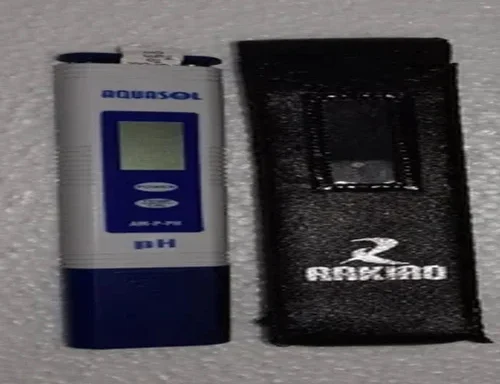
TDS Meter Pen Type