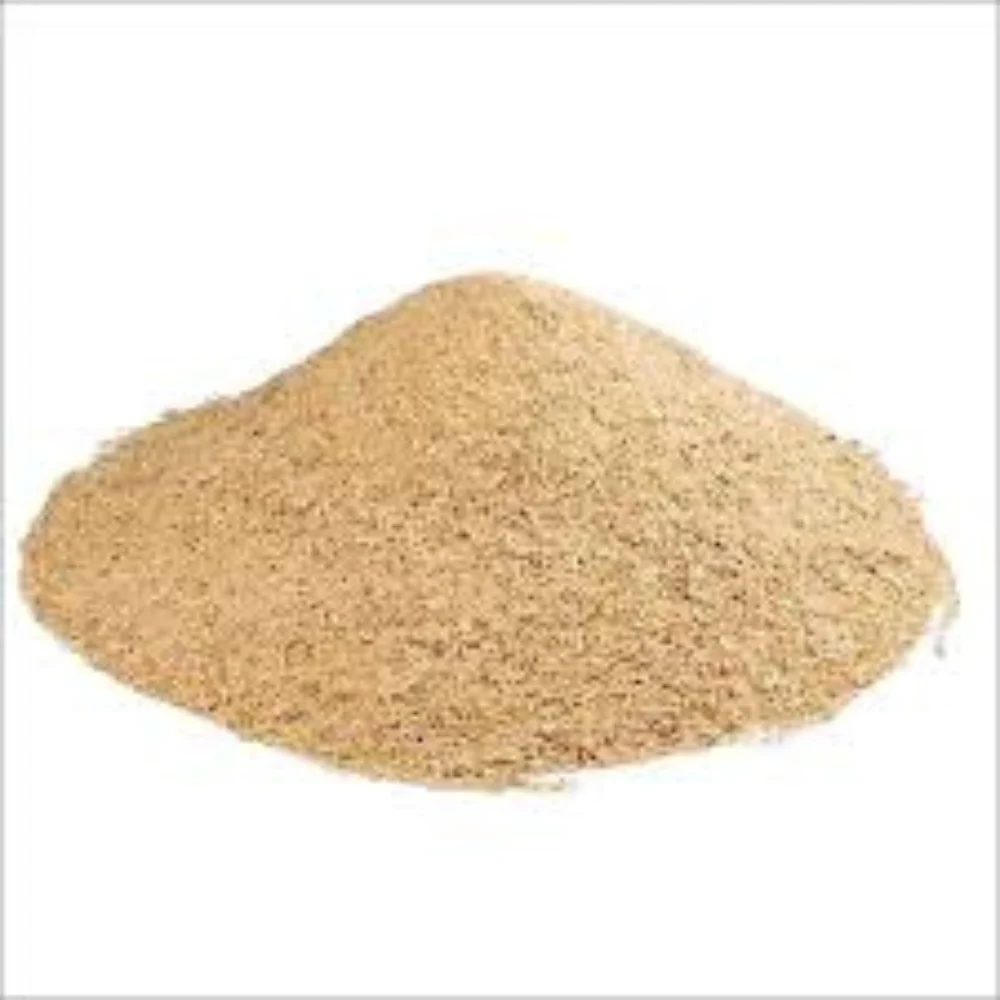
Saw dust in a standard packet of 50 gm is a fine, lightweight, and versatile material widely used across multiple industries, households, and craft projects. Derived from natural wood through the process of cutting, sanding, drilling, or sawing, this finely ground wood residue offers both practical and creative applications. The texture of saw dust makes it easy to handle, mix, or spread, making it an essential product in carpentry, woodworking, construction, and even agricultural activities. Its natural absorbent properties allow it to soak up moisture, oils, and spills effectively, making it useful in workshops and garages for maintaining clean and dry surfaces. The standard 50 gm packet size ensures that it is convenient to store, carry, and use in small to medium applications without wastage.
Description
Product Overview : Saw Dust Standard
Saw Dust Standard is a natural and versatile auxiliary material widely used for educational, craft, and laboratory activities. This fine wood by-product supports hands-on learning, creative projects, and practical demonstrations. Because of its lightweight and absorbent nature, it remains easy to handle and suitable for controlled academic use.
Use in Educational and Craft Activities : Saw Dust Standard
Teachers and students use saw dust for model making, texture creation, and decorative craft projects. When mixed with glue or resin, it helps fill small gaps and smooth surfaces in wood-based models. As a result, learners can experiment with basic finishing techniques during classroom and workshop activities.
Polishing and Woodwork Demonstration
Saw dust plays an important role in demonstrating polishing and surface finishing methods. Students can mix it with adhesives or varnish to understand how fillers work in woodworking. The fine particles bond easily, which allows clean application and controlled results during educational demonstrations.
Absorption and Practical Demonstration Use
Because of its porous texture, saw dust absorbs liquids effectively. Educational labs and workshops often use it to demonstrate absorption properties or for safe cleanup of small spills. This makes it useful for basic experiments related to materials and environmental studies.
Gardening and Environmental Learning
Saw dust also supports small-scale gardening and environmental education activities. It helps retain moisture when used as mulch and improves soil aeration when mixed with compost. Since it is biodegradable, it allows students to explore eco-friendly material usage and sustainability concepts.
Packaging and Handling Convenience
The standard 50-gram packet provides sufficient quantity for experiments, demonstrations, and creative projects. Its compact size allows easy storage and handling in classrooms, labs, and craft kits. Moreover, the fine consistency ensures precise application in delicate tasks.
Learning Outcomes and Educational Value
Saw dust encourages creativity, problem-solving, and material understanding among students. Through practical use, learners explore concepts related to absorption, texture, finishing, and sustainability. Furthermore, hands-on activities improve engagement and concept retention.
Conclusion
Overall, Saw Dust Standard is a practical, eco-friendly, and multi-purpose educational material. Because it supports learning across crafts, science, and environmental studies, it remains a valuable auxiliary item for schools, labs, and creative learning environments.
This educational working model can be effectively integrated with other educational working models and laboratory kits to enhance hands-on learning in engineering and technical laboratories. In addition, institutions may also explore complementary learning solutions such as Jaadui Pitara educational learning kits to support interactive and concept-based education.