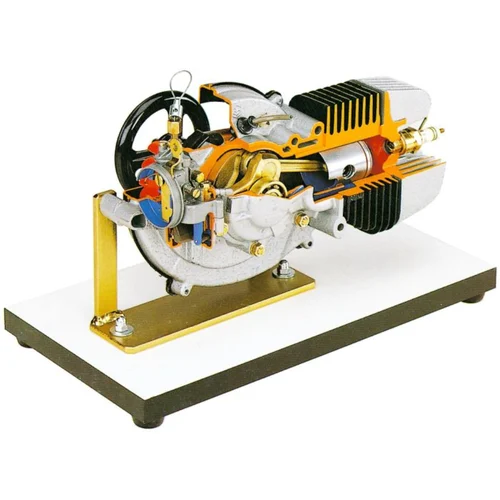
Two Strokes Scooter Engine – Engineering Lab Training System (AS-INT-TVET-DVET-025)The Two Strokes Scooter Engine training model is an original, second-hand, and condition-varied dissected unit designed for vocational and engineering education. This engine cutaway and mounted model is widely used in polytechnic institutions, engineering colleges, and TVET/DVET programs globally, tailored to meet syllabus requirements and comply with procurement specifications from agencies like the World Bank, Asian Development Bank (ADB), and African Development Bank (AfDB).
This unit provides a hands-on, realistic view of a two-stroke scooter engine’s internal components and operations. Beautifully painted and mounted on a sturdy stand, it allows students to understand engine mechanics, fuel combustion processes, and component interactions in a compact format. It supports technical skill development in automotive and mechanical engineering fields.
Description
Product Overview : Two Strokes Scooter Engine
The Two Strokes Scooter Engine is an educational training model designed for automotive and mechanical learning environments in India, South Africa, Nigeria, Kenya, and other developing technical education systems. This original two-stroke scooter engine is carefully dissected and displayed to allow clear observation of internal components. Therefore, students can easily connect theoretical concepts with real engine construction.
Engine Construction and Display Design
This model uses an original two-stroke scooter engine mounted on a stable stand for classroom demonstrations. The stand ensures safety and easy access during practical sessions. Moreover, major components are painted in contrasting colors, which helps students identify parts and understand their functions clearly during instruction.
Two-Stroke Mechanism and Combustion Demonstration
The engine model clearly demonstrates the working cycle of a two-stroke engine, including intake, compression, combustion, and exhaust processes. Consequently, learners gain a strong understanding of how power generation occurs in two-stroke engines commonly used in scooters and light vehicles. In addition, instructors can explain lubrication and fuel–air mixing effectively.
Hands-On Learning and Skill Development : Two Strokes Scooter Engine
This training model supports hands-on interaction during automotive practical sessions. Students can examine engine components closely and discuss common faults and maintenance practices. Therefore, they develop essential diagnostic and repair skills required for entry-level technician roles in transport and service sectors across Africa and Asia.
Educational Benefits and Curriculum Support
The Two Strokes Scooter Engine enhances understanding of engine mechanics and combustion processes. As a result, it supports syllabus objectives in automotive engineering and mechanical systems. Furthermore, visible engine components strengthen learning by complementing classroom theory with real-world observation.
Curriculum Alignment and Training Use : Two Strokes Scooter Engine
Technical institutes integrate this engine model into automotive engineering, mechanical training, and vocational education programs. Because the model reflects real scooter engine layouts, instructors can teach industry-relevant concepts effectively. Thus, students receive practical exposure aligned with modern technician training needs.
Tender Compliance and Academic Readiness
This engine model meets technical specifications required for educational procurement under international donor-funded projects. In addition, it features a durable and low-maintenance design suitable for long-term academic use. The unit is supplied with instructional materials tailored to mechanical and automotive engineering courses.
Applications in Technical and Vocational Education
The Two Strokes Scooter Engine is widely used in polytechnic institutes, vocational training centers, and engineering colleges across India, Africa, and emerging education markets. Moreover, research and development centers use this model for basic engine studies and training demonstrations. It also supports development initiatives aimed at strengthening powertrain and vehicle engineering education.
Conclusion
Overall, the Two Strokes Scooter Engine provides a clear, durable, and practical platform for engine education. Because it combines real components, hands-on access, and curriculum alignment, it remains an essential training model for automotive and mechanical education programs.
This educational working model can be effectively integrated with other educational working models and laboratory kits to enhance hands-on learning in engineering and technical laboratories. In addition, institutions may also explore complementary learning solutions such as Jaadui Pitara educational learning kits to support interactive and concept-based education.
See also different:

Magnet Ball Ended
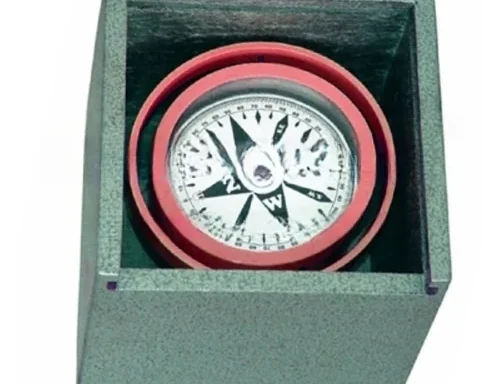
Round Mariners Compass
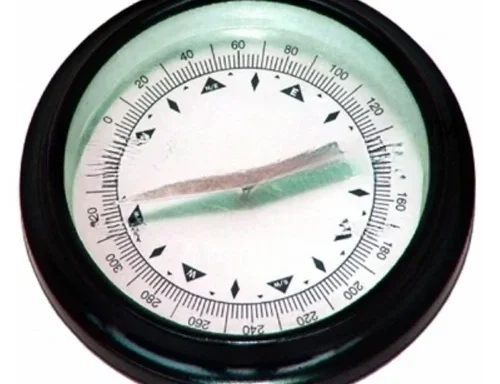
Compass for Education Institute

CHAM-CHAM 555 SCRUB WOOL SCRUBER 8 gms