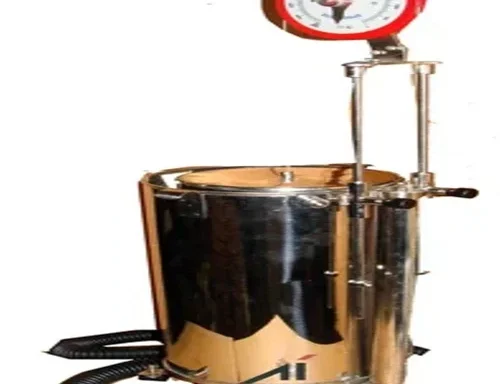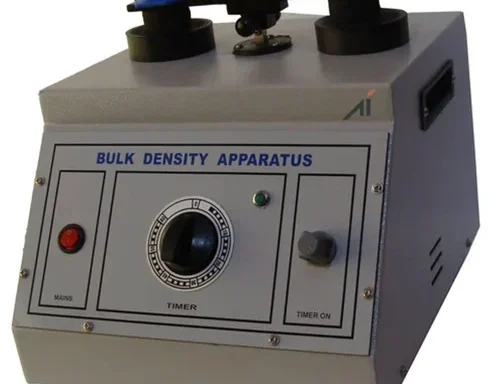

A digital Rotarod Apparatus precisely measures motor coordination, balance, and endurance in animals (rodents) for pharmacology/neuroscience research, allowing scientists to test drug effects (like muscle relaxants or neurotoxins) by controlling rod speed and timing how long animals stay on, using digital displays for accuracy, multi-lane testing, and data logging to study neurological conditions and treatment impacts.
Description
The Rotarod Apparatus Digital is a precision research instrument used to evaluate motor coordination, balance, and endurance in laboratory animals, particularly rodents. Researchers widely use it in pharmacology, neuroscience, and behavioral studies to assess how drugs or neurological conditions affect motor performance. As a result, it plays a vital role in preclinical research and experimental analysis.
Research laboratories and academic institutions across India actively use digital rotarod systems for controlled animal studies. Similarly, neuroscience research centers in countries such as the United States, Germany, and South Africa rely on digital rotarod apparatus for consistent and reproducible motor function testing.
Rotarod Apparatus Digital for Motor Coordination Testing
The Rotarod Apparatus Digital allows researchers to measure how long an animal can remain on a rotating rod under controlled conditions. Scientists adjust rod speed and acceleration to test balance, grip strength, and coordination. Therefore, the apparatus helps quantify motor impairment or improvement with high accuracy.
Because the system uses digital timing and speed control, it eliminates observer bias and manual error. Moreover, the digital display provides real-time feedback, which supports precise data collection during each trial.
Rotarod Apparatus Digital for Pharmacology and Neuroscience Research
The Rotarod Apparatus Digital is especially useful in pharmacological studies to evaluate the effects of drugs such as muscle relaxants, sedatives, neurotoxins, and neuroprotective agents. Researchers compare baseline performance with post-treatment results to understand drug impact on motor function. Consequently, it supports reliable assessment of treatment efficacy and side effects.
In neuroscience research, scientists use the apparatus to study neurological disorders, brain injuries, and degenerative conditions. Multi-lane configurations allow simultaneous testing of multiple animals, which improves research efficiency and consistency.
Digital Control, Data Logging, and Multi-Lane Design
The apparatus features a user-friendly digital interface for setting speed, duration, and test parameters. Additionally, built-in data logging records fall time and performance metrics accurately. The multi-lane design supports parallel testing, which saves time during large-scale studies.
Suitable for Research and Institutional Use
This rotarod apparatus digital is suitable for pharmacology laboratories, neuroscience research centers, academic institutions, and preclinical testing facilities. It supports standardized testing protocols while maintaining repeatability and accuracy.
Applications
- Motor coordination and balance testing in rodents
- Drug effect and toxicity evaluation
- Neurological disorder and injury research
- Endurance and fatigue assessment
- Preclinical pharmacology and neuroscience studies
other educational working models and laboratory kits to enhance hands-on learning in engineering and technical laboratories. In addition, institutions may also explore complementary learning solutions such as Jaadui Pitara educational learning kits to support interactive and concept-based education.