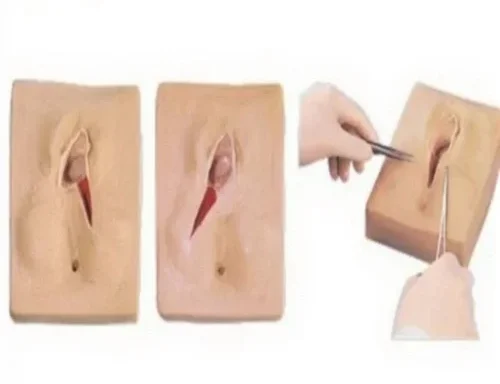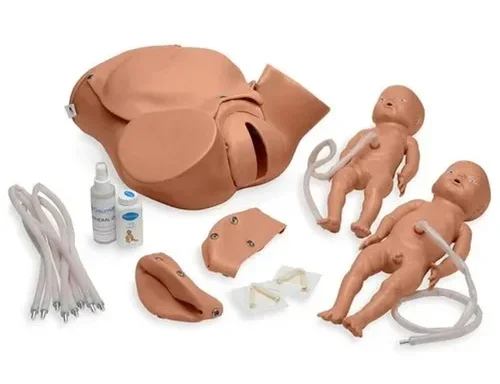
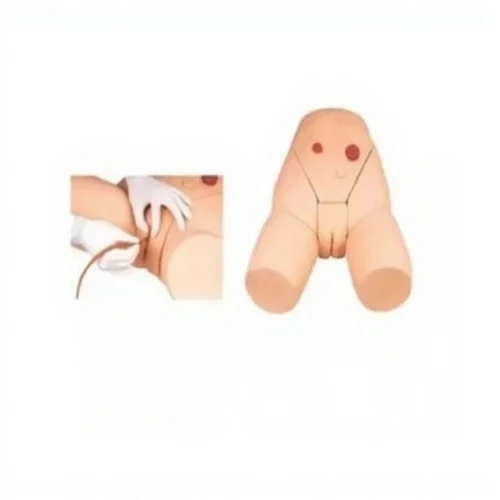
Catheterization simulator models are used by medical trainees (nurses, doctors) for hands-on, realistic practice of urinary catheter insertion and care (male/female/suprapubic) in a safe environment, teaching aseptic technique, anatomy, handling resistance, managing fluid return, and building confidence before real patients, covering procedures like Foley insertion, balloon inflation, and catheter changes, all without patient discomfort.
Description
A catheterization simulator model is a realistic medical training tool designed for safe, hands-on practice of urinary catheter insertion and care. It allows nurses, doctors, and medical trainees to learn procedures without patient discomfort. Because correct technique is essential for patient safety, this model supports skill development in a controlled environment. Moreover, it helps learners understand anatomy, resistance handling, and fluid return before real clinical exposure.
Catheterization Simulator Model for Urinary Catheter Training
The catheterization simulator model supports practice for male, female, and suprapubic catheterization procedures. Trainees can perform Foley catheter insertion, balloon inflation, catheter changes, and drainage management with realistic feedback. Therefore, learners gain confidence in handling resistance and maintaining proper positioning during insertion. In addition, repeated practice improves accuracy and reduces procedural errors in real healthcare settings.
Aseptic Technique, Anatomy, and Skill Building
This catheterization simulator model helps teach aseptic technique, which is critical for preventing urinary tract infections. Learners can visualize anatomical landmarks and practice sterile handling during catheter placement. Because realistic tactile response improves muscle memory, the model enhances procedural confidence and competence. Consequently, trainees develop a strong foundation in patient-safe catheter care.
Educational Value in Nursing and Medical Programs
Medical colleges, nursing schools, and clinical training centers use catheterization simulator models for structured demonstrations and supervised practice. The model supports objective skill assessment and step-by-step learning. As a result, trainees enter clinical environments better prepared and more confident. For complementary laboratory and training equipment, you may explore:
https://www.aseducationalkits.com/products-category/physics-lab-equipment/
For a wider range of medical and laboratory training solutions, professionals can also refer to:
https://interlabs.in/products-catalogue/
Applications
Urinary catheter insertion training
Male, female, and suprapubic catheter practice
Foley catheter placement and balloon inflation
Aseptic technique and infection control training
Nursing and medical skills development